
6 Most Common Types of Fasteners Used in Manufacturing
Fasteners serve as the critical building blocks of the manufacturing world, holding together everything from appliances to massive industrial machinery. Without these essential components, the complex structures we rely on daily would simply fall apart. Selecting the correct type of securing mechanism is vital for ensuring the safety and functionality of any manufactured product. A manufacturer must carefully evaluate the unique demands of their specific project, considering factors like vibration and load capacity. Partnering with a reliable local fastener supplier ensures access to high-quality components tailored to your exact requirements. A strong relationship with a knowledgeable partner also provides valuable insights into the best materials for your specific operations. Navigating the vast array of available options can feel overwhelming, but breaking down the choices clarifies the selection process. By understanding the distinct characteristics of the most widely utilized securing devices, production facilities can optimize their assembly lines. The following exploration details the most prevalent options found in modern industrial environments.
1. Utilizing Screws
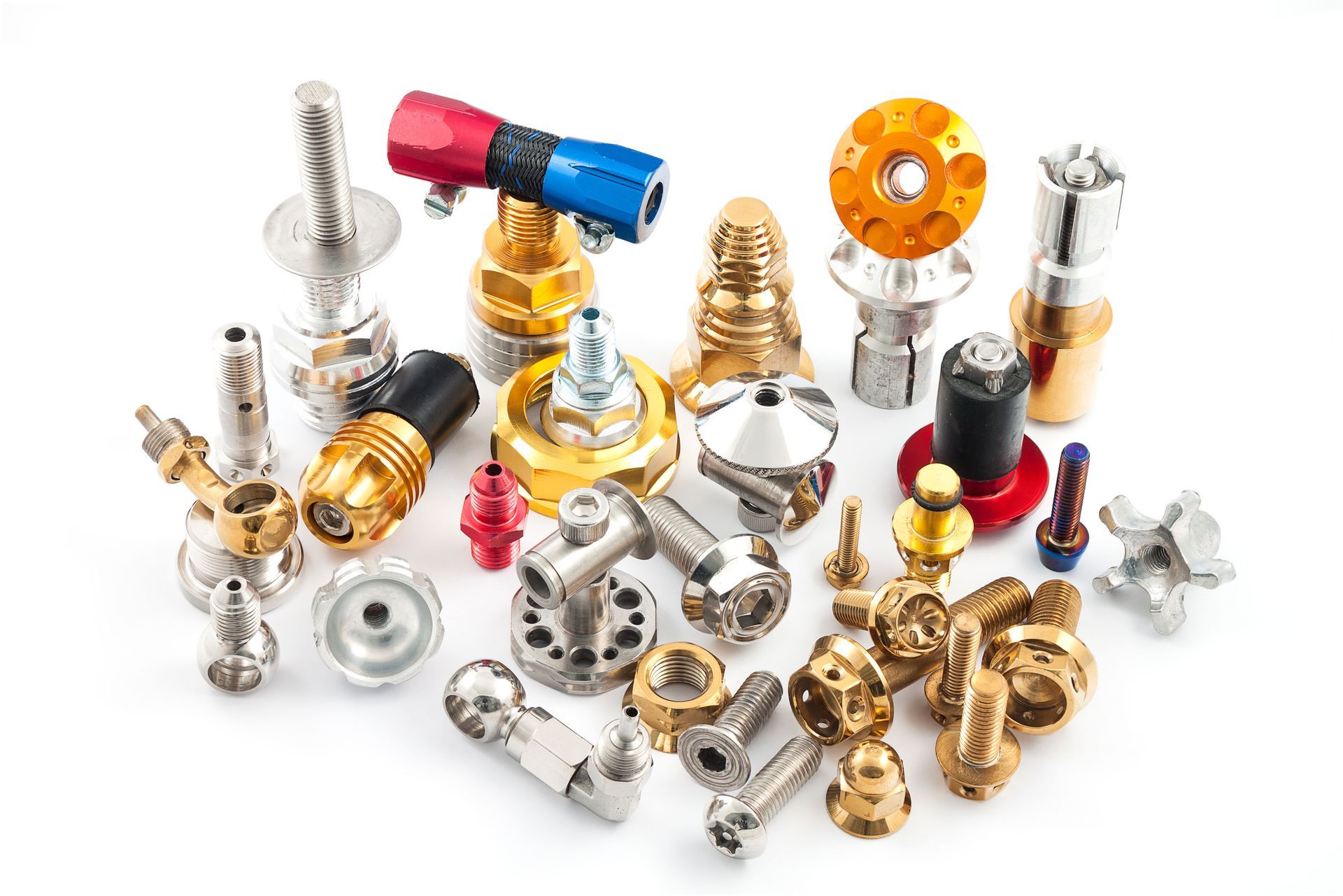
Screws represent a highly versatile mechanism in any production facility. These components feature a threaded shaft that bites into the material, creating a secure hold without the need for a secondary locking piece. The primary advantage of a screw lies in its incredible holding power combined with the ease of removal and reinsertion. This adjustability makes them valuable for products requiring future maintenance or repairs. Whether assembling electronic enclosures or constructing furniture, the right screw provides an optimal balance of strength and flexibility. Various head designs accommodate different driving tools, allowing for streamlined integration into automated assembly processes. Working closely with a knowledgeable local fastener supplier guarantees that your facility selects the optimal thread pitch and head style for your application. From self-tapping varieties to specialized machine screws designed for precise metalwork, the options are incredibly diverse. Proper implementation requires careful attention to torque settings to prevent stripping the threads. Ultimately, their adaptable nature cements their status as a fundamental component in countless manufacturing sectors.
2. Implementing Bolts
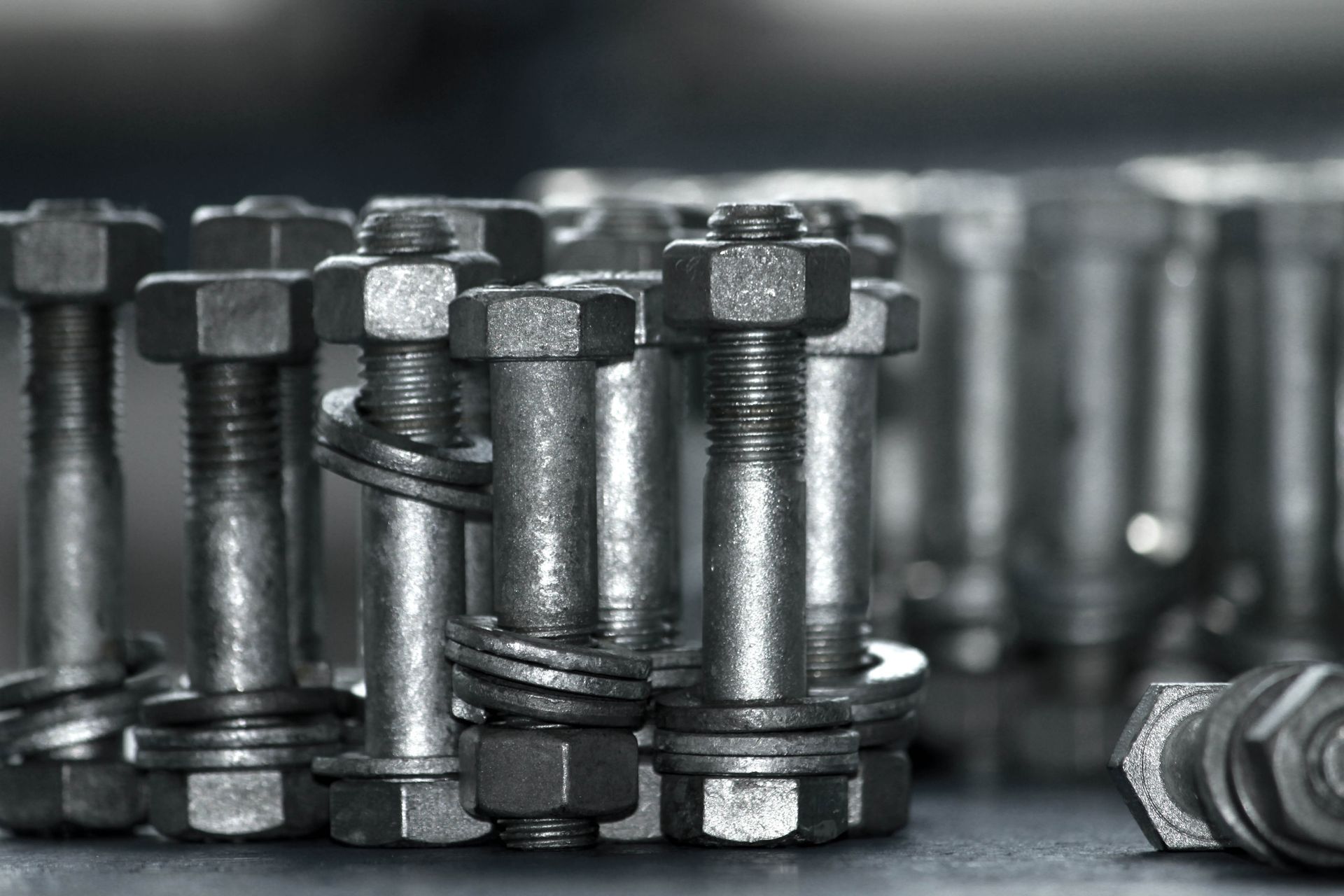
Bolts provide unparalleled sheer strength and structural integrity for heavy-duty applications. Unlike screws, bolts generally require a pre-drilled hole and a matching nut to clamp materials together firmly. This paired system distributes the load across a wider surface area, making it ideal for high-stress environments. Automotive manufacturing, heavy equipment assembly, and structural steel fabrication heavily depend on the robust nature of bolted joints. The immense demand for these specific components highlights their critical role in large-scale production operations. According to Mordor Intelligence, by end-user application, the OEM segment accounted for 47.35% of the North America industrial fasteners market size in 2025. This massive market share underscores how deeply integrated bolted connections are within original equipment manufacturing. Collaborating with an experienced local fastener supplier allows manufacturers to source bolts with the appropriate tensile strength for their demanding environments. Engineers must carefully calculate the required clamping force to ensure the joint remains secure under dynamic loads. Through proper tensioning techniques, bolts deliver a level of reliability that few other securing methods can match.
3. Integrating Nuts
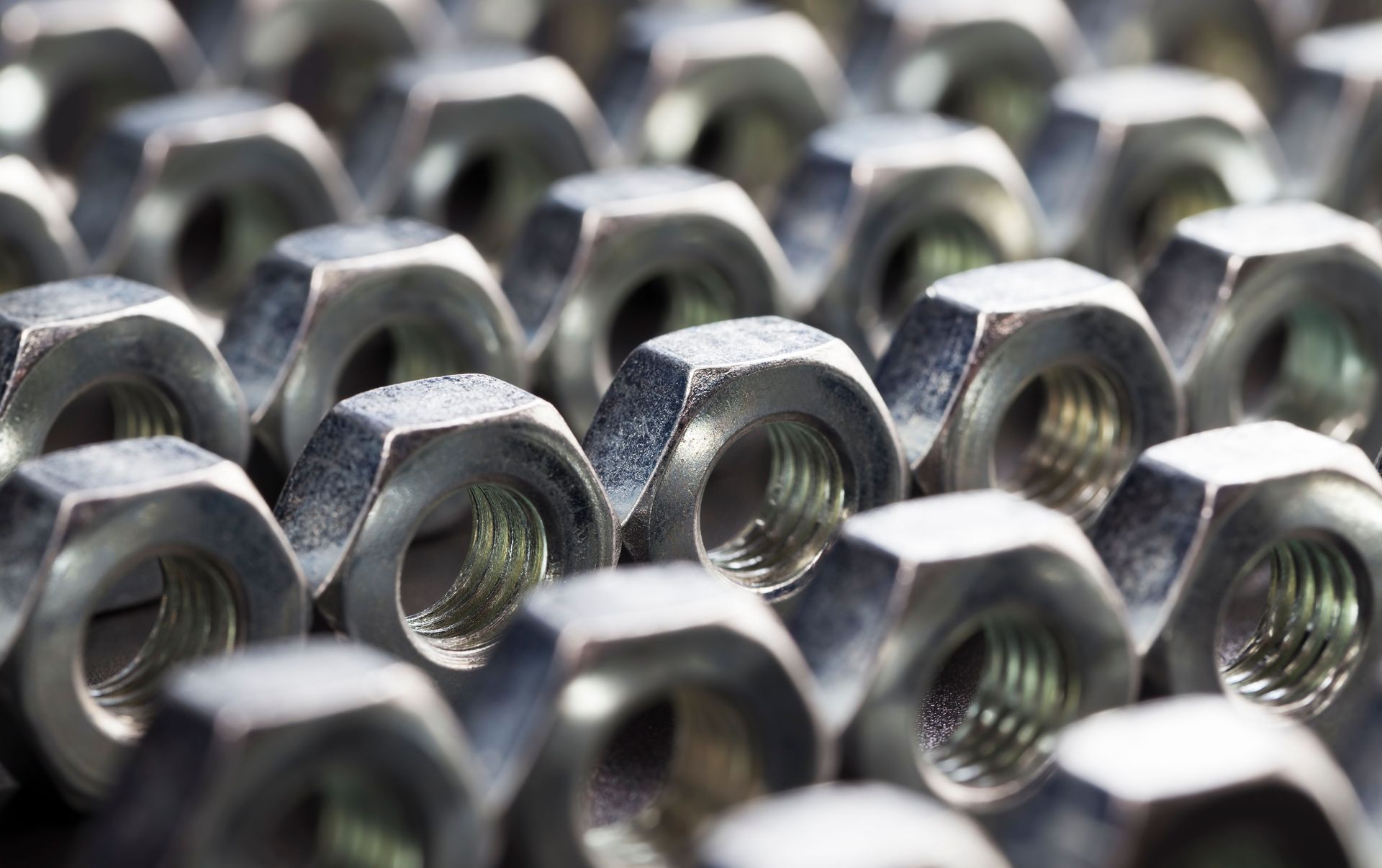
Nuts function as the essential counterpart to bolts, providing the vital locking mechanism that sustains the entire joint. These internally threaded blocks of metal mate precisely with the external threads of a bolt to generate the necessary clamping pressure. When tension is applied, the threads engage tightly, creating a robust connection capable of withstanding immense mechanical stress. The shape of the nut allows for optimal torque application using standard hand tools or automated wrenches. Specialized variations, such as locking nuts with nylon inserts, offer enhanced resistance against loosening caused by severe vibrations. Selecting the correct nut is just as critical as choosing the bolt itself, as a mismatch in thread pitch can lead to joint failure. A dedicated local fastener supplier can assist in pairing the perfect nuts and bolts to achieve maximum performance and safety. Furthermore, certain environments require nuts manufactured from specific alloys to combat corrosion or extreme temperatures. By integrating the appropriate nut into the assembly process, manufacturers ensure the long-term stability of their products.
4. Applying Washers
Washers play a crucial role in the overall integrity of a connection. These thin, flat discs with a central hole are placed beneath the head of a bolt or a nut before tightening. Their primary function is to distribute the compressive load of the tightened mechanism over a larger surface area, preventing damage to the underlying material. Without a washer, the intense pressure could easily crush or deform softer materials, compromising the stability of the entire assembly. In addition to load distribution, certain types of washers provide critical spring tension or locking capabilities to prevent unintentional loosening over time. Split-ring washers and toothed lock washers are specifically engineered to bite into the metal and maintain tension even under heavy vibration. Discussing your specific vibration and load concerns with a trusted local fastener supplier will guide you toward the most effective washer style for your project. Washers also serve as a protective barrier, preventing galvanic corrosion when connecting dissimilar metals. Their simple yet highly effective design significantly extends the lifespan of manufactured assemblies.
5. Deploying Rivets
Rivets offer a permanent, highly secure connection that excels in applications where parts will not require future disassembly. These smooth, cylindrical shafts feature a pre-formed head on one end. During installation, the opposite end is mechanically deformed or upset to create another head, tightly clamping the materials together. This installation process creates an incredibly strong joint that is highly resistant to vibration and sheer forces. The aerospace industry famously relies on riveting to assemble aircraft fuselages, prioritizing the lightweight and permanent nature of the connection. Unlike threaded options, rivets do not suffer from the risk of slowly backing out over time, ensuring absolute structural permanence. Selecting the right material is easy when you consult a local fastener supplier who understands permanent joint assembly. Blind rivets offer the added advantage of installation from the exterior side of the workpiece, greatly simplifying assembly in tight or enclosed spaces. While they require specialized tooling for installation, the resulting connection provides unmatched peace of mind for critical manufacturing applications.
6. Choosing Nails
Nails remain highly relevant in specific manufacturing sectors. While less common in heavy metalwork, nails are absolutely vital in woodworking, furniture manufacturing, and pallet construction. These simple, unthreaded pins rely entirely on the friction generated as they are driven into the material to hold pieces together. Modern manufacturing often utilizes pneumatic nail guns to rapidly drive these components, dramatically increasing production speed on assembly lines. The simplicity of a nail allows for fast and cost-effective assembly when building wooden frameworks. Various protective coatings, such as galvanization, enhance their resistance to rust, making them suitable for products exposed to the elements. While they may not offer the immense clamping force of a bolted joint, their speed and efficiency make them indispensable for high-volume wood fabrication. Partnering with a reliable local fastener supplier guarantees that you always have the right nails for your specific wood-based production needs. Understanding the exact holding power required for a wooden assembly ensures that manufacturers select the proper gauge and length for maximum effectiveness. Their enduring presence in factories speaks to their reliable functionality.
Selecting the ideal securing mechanism is a fundamental step in producing high-quality, durable goods. Each component, from the heavily relied-upon bolt to the permanent rivet, serves a specific and vital purpose on the assembly line. By carefully matching the connection method to the material and environmental demands, manufacturers guarantee the safety and longevity of their final products. Understanding these distinct differences prevents costly failures and ensures that every joint performs exactly as engineered. Building strong relationships with knowledgeable supply partners streamlines the procurement process and keeps production running smoothly. When you are ready to optimize your assembly process and source the finest components, call Fasteners Inc today to learn more.
Share On: