
6 Must-Have Fastener Supplies for Industrial Applications
In the world of industrial applications, the role of high-quality fastener supplies cannot be overstated. Fasteners are the unsung heroes that uphold the structural integrity and safety of countless machines, buildings, and technologies. And, as industries continue to evolve, the demand for quality fasteners is on the rise. According to Global Market Insights, the global industrial fasteners market is projected to reach $173.8 billion by 2034, growing at an annual rate of 3.4% from 2025 to 2034.
The versatility of fastener supplies allows them to be used in a myriad of settings, from automobiles to aerospace. Understanding the types of fasteners and their specific applications is paramount for engineers, builders, and maintenance teams. Let's take a moment to delve into the essential fastener supplies, breaking down their importance, materials, types, and usage in industrial settings.
1. Bolts
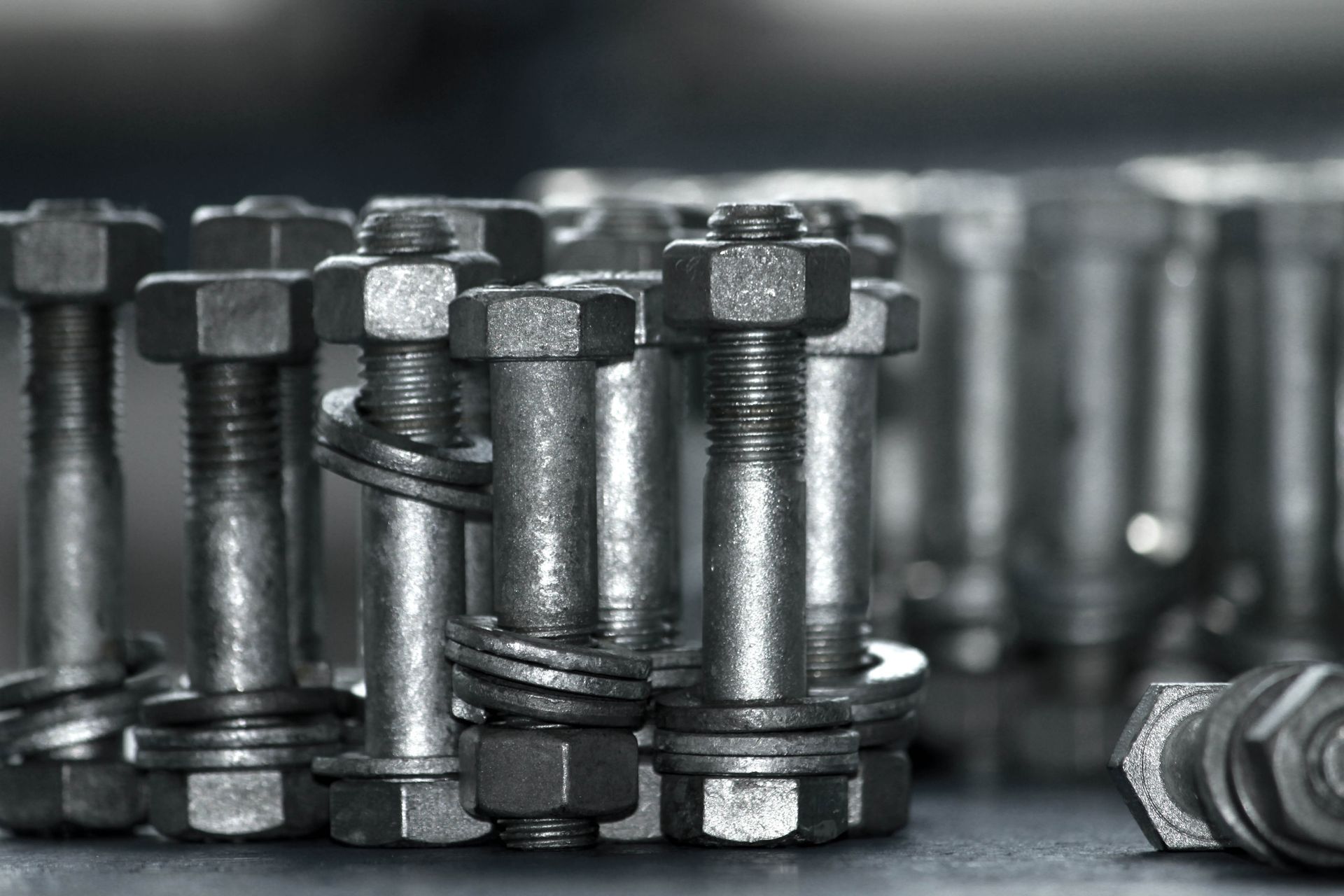
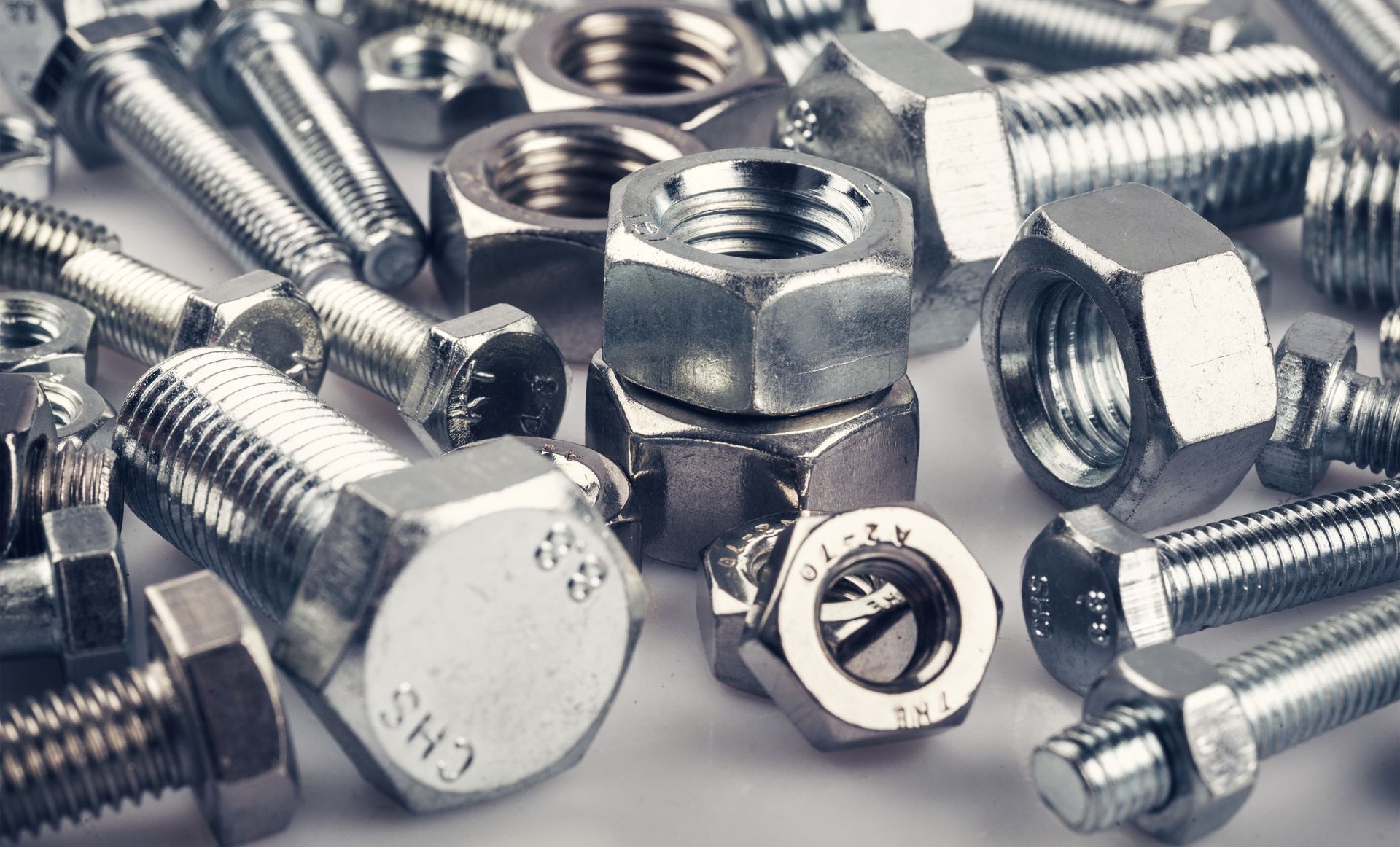
Bots are a fundamental component in industrial settings, acting as the backbone of a variety of structures and machinery. They are primarily used where the right strength and precision are required to keep two or more components firmly connected. Bolts need to withstand high levels of stress and environmental conditions, which is why their reliability is critical in industries such as construction, automotive, and manufacturing. Selecting the right bolt also ensures minimal maintenance and replacement, reducing downtime and costs. Furthermore, their role in meeting safety standards cannot be undermined, as improper selection or installation can lead to catastrophic failures.
The choice of materials for manufacturing bolts significantly influences their durability and performance. Common materials include steel, stainless steel, titanium, and brass, each offering unique benefits like corrosion resistance or tensile strength. For example, stainless steel bolts are favored in environments where rust is a concern, such as maritime and chemical industries. Meanwhile, titanium boasts an impressive strength-to-weight ratio, used in aerospace for components that need to endure extreme conditions while keeping weight to a minimum. Understanding the specific environment and stresses a bolt will be exposed to helps determine the best material choice for a project.
2. Nuts
Nuts serve as essential components in fastening systems, working hand in hand with bolts to create secure connections that can sustain substantial amounts of load. In essence, they act as counterpart fasteners that complete the assembly, ensuring a firm, tight grip that can withstand the stresses of everyday industrial applications. One primary function of nuts is to distribute the load across the bolt threads and fastened parts, thus enhancing the stability of the joint. A thorough understanding of their various roles in securing assemblies contributes to their effective application across numerous industrial contexts. Comprehensive knowledge surrounding the specific requirements and actions associated with nuts is critical for optimal use.
Durability is a paramount consideration when selecting materials and coatings for nuts, especially for use in harsh industrial environments. Materials such as stainless steel or brass are commonly selected due to their enhanced resistance to rust and corrosion. Coatings like zinc plating or PTFE offer an additional layer of defense against wear and environmental damage. Steel nuts with a zinc coating provide an economic yet reliable choice, while PTFE coatings grant an exceptionally low coefficient of friction. The choice of materials and coatings should align with the conditions in which the nuts will be used, ensuring that they maintain integrity and performance over time.
3. Washers
Washers are small, unassuming components that play a significant role in fastening systems. Their primary purpose is to distribute load and prevent damage to the surfaces being fastened. By providing a larger surface area, washers help minimize the stress exerted on the fastened parts, reducing the risk of deformation or material fatigue. This becomes particularly important in high-stress applications where the integrity of the joint matters significantly. Washers also serve as protective barriers between the fastener and the workpiece, preventing galling and surface damage, which could compromise the joint.
Diverse types of washers are available to cater to specific requirements, such as flat, lock, and spring washers. Flat washers are the most common, used beneath the nut or bolt head to distribute load. Lock washers, featuring a split or serrated design, provide resistance to loosening under vibration, which is crucial in machinery or automotive applications. Spring washers add tension, which maintains assembly integrity under dynamic conditions. The selection of washer type is contingent upon the application's unique demands, ensuring optimal performance and joint reliability.
4. Rivets
Rivets offer distinct advantages over other fastening methods, primarily due to their ability to provide permanent, vibration-resistant joints. Unlike screws or bolts, rivets do not rely on external torque, making them ideal for applications where access to both sides of the joint is not possible. The deformation of rivets during installation creates highly reliable connections that are resistant to loosening from vibrations or shock. This quality makes them particularly valuable in the transportation and construction industries, where structural integrity and reliability are critical. Their simplicity and ease of use further contribute to the widespread application and trusted reputation of rivets in various sectors.
Rivets come in a multitude of material and design variations, each suited for specific industry needs and environmental conditions. Common materials include aluminum, steel, and copper, selected based on their strength, corrosion resistance, and compatibility with the materials being joined. Design variations such as blind rivets enable installation from one side, offering a practical solution in assembly line production or confined spaces. The choice of material and design should consider factors such as the type of materials being joined, the environmental conditions, and the required strength of the final joint. This careful selection process ensures long-lasting, reliable riveted joints.
5. Screws
Screws play a versatile role in industrial applications, offering easy assembly and disassembly with the appropriate tools. Their design, featuring helical threading, allows for effective fastening within a range of materials, including metal, plastic, and wood. Different screw types, such as machine screws, wood screws, and self-tapping screws, are engineered to perform specific tasks in diverse industrial scenarios. The choice of screw is critical, depending on factors like the nature of the materials to be joined and the environmental conditions. Proper knowledge of screw types and their functions is essential for effective use and optimal performance in industrial applications.
6. Anchors
Anchors serve a critical role in industrial applications, providing secure attachments to concrete, brick, or other base materials where traditional fasteners would fail. They are indispensable when fastening into materials that do not provide the internal resistance required for conventional screws or bolts. Anchors allow the distribution of loads over a larger area, thus supporting heavier loads without risking the integrity of the base material. Their use spans multiple industries, from construction to automotive, and even installation of heavy machinery, underscoring their versatility and importance. Understanding the specific load requirements and environmental conditions of an application ensures the correct selection and use of anchors.
Different types of anchors, such as expansive, chemical, and mechanical anchors, cater to a variety of applications with distinct load demands and material considerations. Expansive anchors, also known as wedge anchors, expand as they are inserted, providing a strong hold in solid materials like concrete. Chemical anchors, on the other hand, utilize a resin-based adhesive to form a robust bond with the base material, ideal for situations where vibration resistance is critical. Mechanical anchors, with designs like sleeve or drop-in anchors, employ a combination of expansion and friction to maintain hold in softer or hollow materials. Selection criteria for anchors must align with the specific load requirements and environmental conditions they will face.
It's certain that fastener supplies play an indispensable role in various industrial applications, maintaining structural integrity and ensuring safety. The key to continued industrial success lies in the meticulous selection and application of the right fasteners for each unique, evolving application. By staying informed and adopting a proactive approach to fastener use and selection, industries can uphold unparalleled safety standards, efficiency, and reliability. To learn more, reach out to the experts at Fasteners Inc today!
Share On: